How primary HLH works
Primary HLH is a genetic disease, which means that it can run in families. It is caused by changes, or mutations, in genes that affect how the immune system works.
To understand more about the condition, it’s important to know what happens in the body of someone with primary HLH and what some of the symptoms can be.
Symptoms of primary HLH
While everyone’s condition is different, there are some common symptoms that you and your doctor can look for.
symptoms may include:
- High fever that lasts a long time
- Rash
- Seizures and neck stiffness
- Yellow color of the eyes and skin (jaundice)
- Swollen lymph nodes (small round structures, like your tonsils, that are part of the body’s immune system and help fight infection or disease)
- Coughing or trouble breathing
- Stomachache, vomiting, or diarrhea
- Changes in mental state, such as confusion or memory loss
- Problems with vision, such as blurriness
- Abdominal pain (swollen or enlarged stomach, spleen, or liver)
- Problems with growth or gaining weight as an infant
- High fever that lasts a long time
- Rash
- Seizures and neck stiffness
- Yellow color of the eyes and skin (jaundice)
- Swollen lymph nodes (small round structures, like your tonsils, that are part of the body’s immune system and help fight infection or disease)
- Coughing or trouble breathing
- Stomachache, vomiting, or diarrhea
- Changes in mental state, such as confusion or memory loss
- Problems with vision, such as blurriness
- Abdominal pain (swollen or enlarged stomach, spleen, or liver)
- Problems with growth or gaining weight as an infant

In a healthy immune system...
- Every person has their own immune cells, which work inside the immune system. They travel throughout the body looking for problems, like harmful cells. When they find something suspicious, they bring it to the attention of T cells
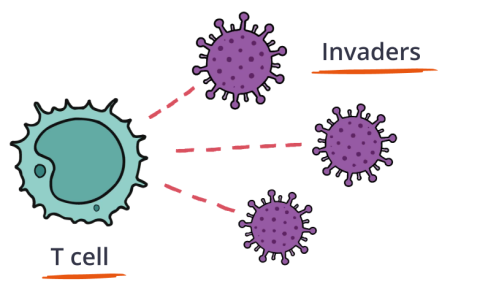
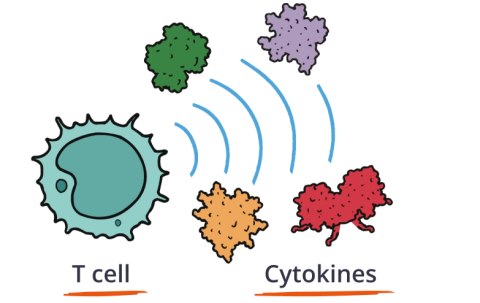
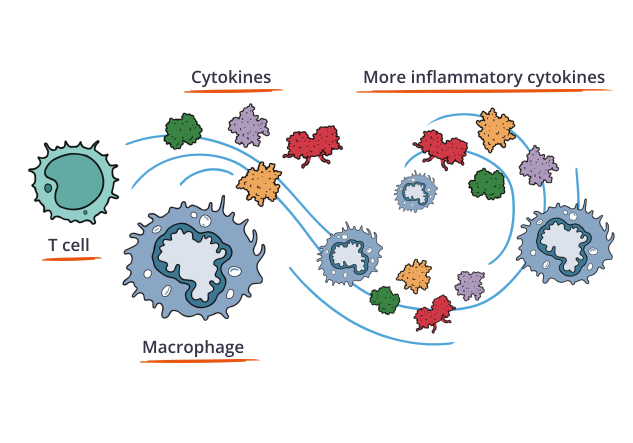
- The job of T cells is to search out and destroy the invaders, but they need help. T cells release inflammatory messenger proteins called cytokines (pronounced SIGH-TOE-KINES) that activate macrophages (pronounced MACK-ROW-FAY-JIS) to help the T cells get rid of the problem
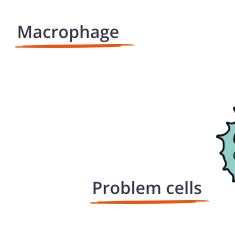
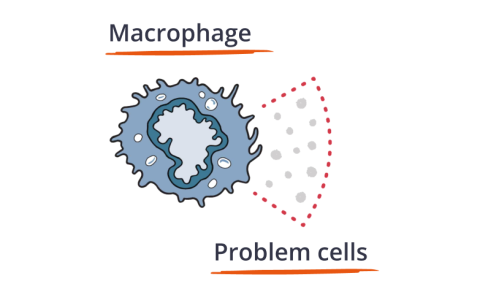
- Macrophages are large cells that eat problem cells and white blood substances in the immune system
In a healthy immune system...
- Every person has their own immune cells, which work inside the immune system. They travel throughout the body looking for problems, like harmful cells. When they find something suspicious, they bring it to the attention of T cells
- The job of T cells is to search out and destroy the invaders, but they need help. T cells release inflammatory messenger proteins called cytokines (pronounced SIGH-TOE-KINES) that activate macrophages (pronounced MACK-ROW-FAY-JIS) to help the T cells get rid of the problem
- Macrophages are large cells that eat problem cells and white blood substances in the immune system
How does primary HLH cause hyperinflammation?
T cells and macrophages usually work together to keep the body safe. But in primary HLH, changes in certain genes (called genetic mutations) prevent T cells and macrophages from working properly. As a result, the body can’t clear out harmful cells like it's supposed to, which causes inflammation.
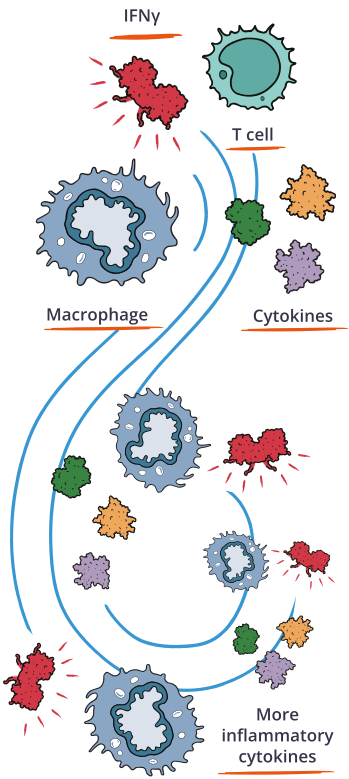
- T cells keep releasing more and more cytokines, especially one called interferon gamma (IFNγ)
- This activates more macrophages, and these macrophages release even more inflammatory cytokines
- The high level of cytokines creates dangerous levels of inflammation. This is known as "hyperinflammation”

Watch now to see how primary HLH affects the body
